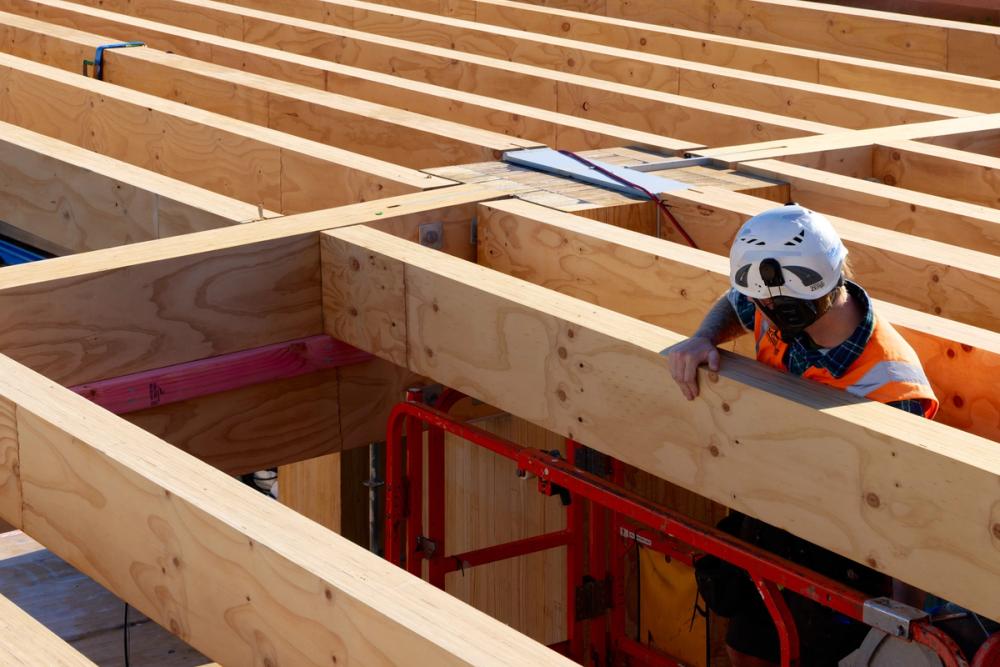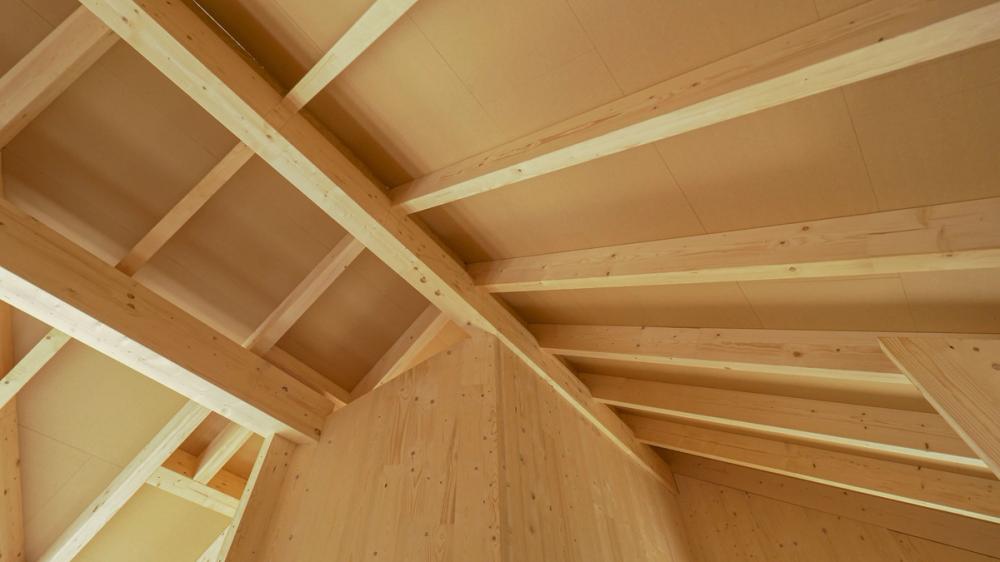
Engineered timber products, such as cross-laminated timber (CLT), laminated veneer lumber (LVL), and glulam, have gained significant traction in commercial construction due to their structural efficiency, sustainability, and aesthetic appeal. CLT, in particular, is revolutionising how buildings are designed and constructed. It is made by bonding layers of timber together at right angles, creating a highly stable and strong material that can be used in floors, walls, and roofs. This innovation allows for high-rise timber buildings and large-scale commercial structures, traditionally built using steel and concrete.
One of the key advantages of engineered timber is its lower environmental impact. Timber is a renewable resource, and when sourced sustainably, it has a much smaller carbon footprint than other building materials. Additionally, wood stores carbon, which helps to offset emissions produced during construction. This characteristic makes engineered timber a compelling option for the construction industry, particularly in New Zealand, which is known for its rich natural resources and commitment to sustainability.
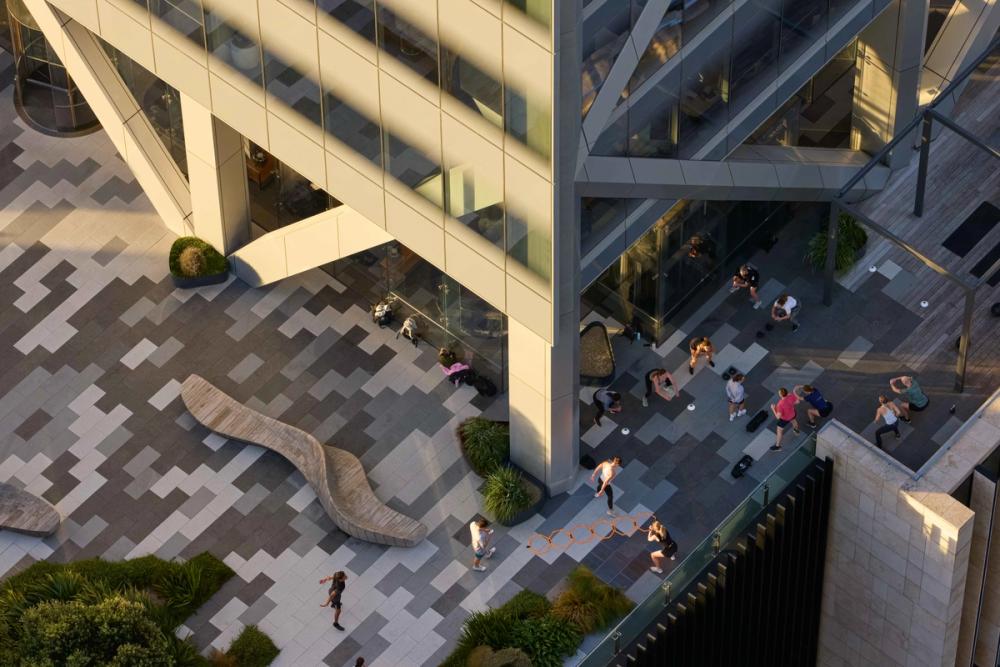
Recent engineered timber projects include the 'A' grade offices at 211 High St in Christchurch under construction by Leigh's Construction for Portus Developments.
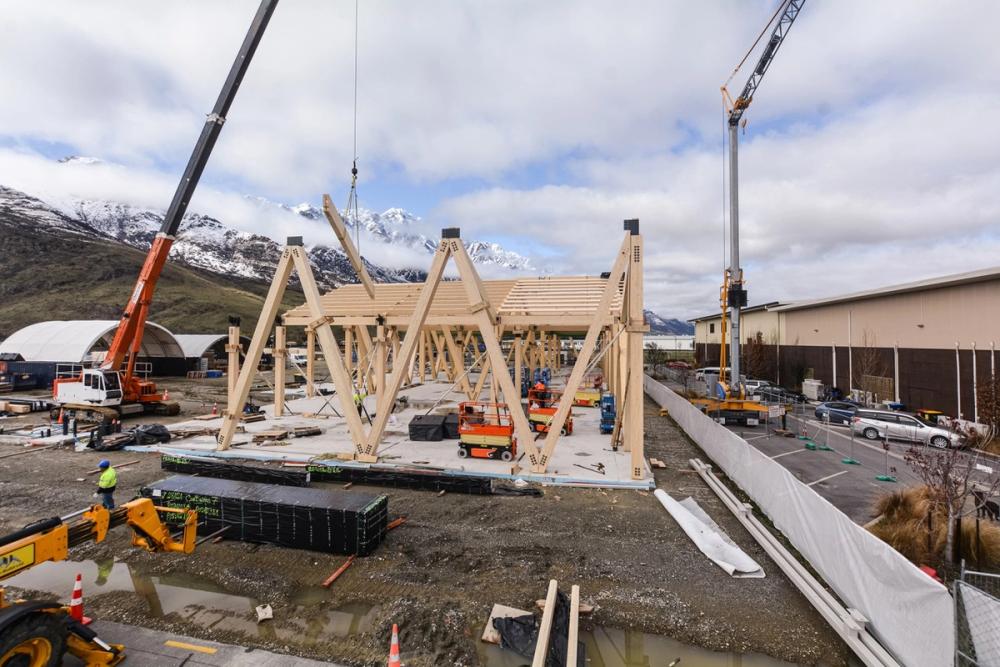
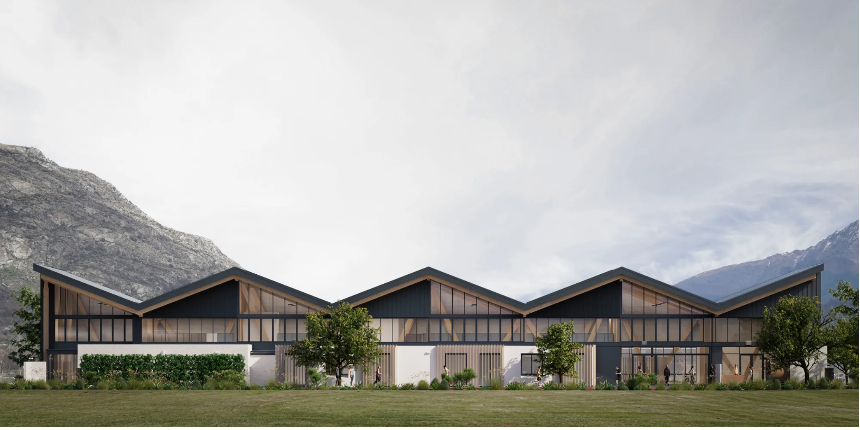
Another example is the world-class Sports Performance & Healthcare Centre, The Mill, currently under construction by Cook Brothers in Queenstown; the largest private sports centre of its kind in New Zealand at more than 2,500m2. The Mill will offer locals and visitors a world-class, integrated sports and fitness training and recovery experience. The mass timber was procured from WIEHAG Timber Construction in Austria, the company currently working with Leighs on their Christchurch office development.