Take out #2: Addressing the carbon challenge
Given the conference was held against the backdrop of COP27, environmental sustainability was unsurprisingly front of mind.
Many presenters discussed how the southern hemisphere (particularly Asia, Africa and South America) will be the source of most new tall buildings worldwide over the next 30 years. Meanwhile, the northern hemisphere (predominantly North America and Europe) will need to focus on adaptive re-use and extending the life of its building stock to minimise the significant carbon impacts of construction.
"The construction and operation of tall buildings represents an estimated 40% of global carbon emissions and the superstructures of buildings contains approximately 50% of the embodied carbon" – facts acknowledged by almost every presenter.
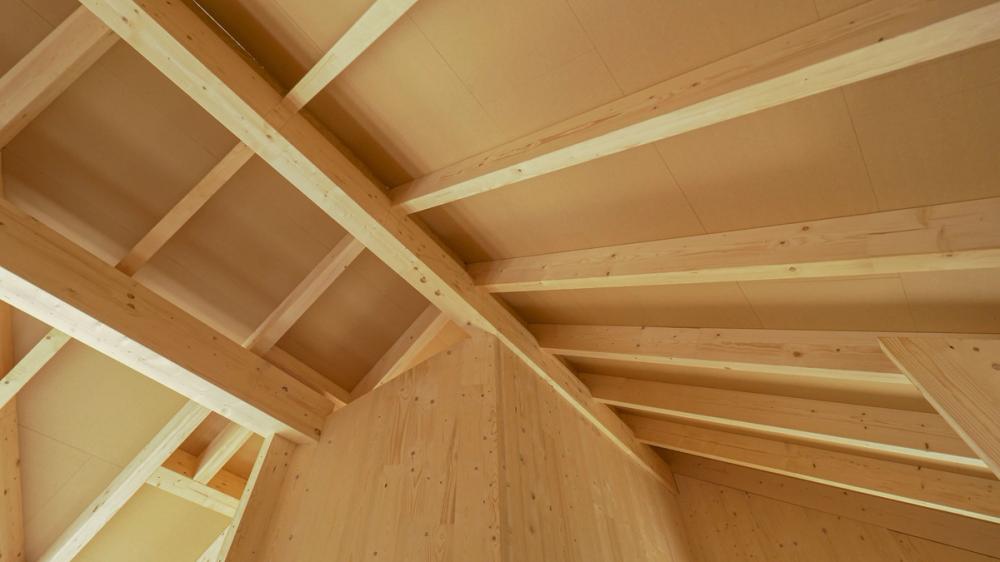
Embodied carbon within a superstructure provides scope to rethink more traditional construction typologies. Both timber and modular construction opportunities present an obvious – yet only partial solution in some cases – and both typologies were considered extensively at the conference.
Aotearoa has many questions still left to consider:
- Should we investigate more steel recycling and the supply chain for other recycled materials?
- Ought more serious consideration be given to hybrid buildings such as concrete frames with cross-laminated timber infill floors?
- Can we explore less carbon-intensive materials?
- What can be standardised or labelled a 'kit of parts' with some controlled variation?
- What advanced manufacturing techniques could be employed?
- What new materials are being synthesised around the world?
A sustainable delivery strategy should be a fundamental consideration for every building venture in New Zealand, not just signature projects of excellence. We must take a broader view of sustainability than simply achieving a category within a rating tool.