Insurance as a Climate Signal
At the recent London Climate Action Week conference, it was noted that insurability will become the clearest and earliest signal of climate change around the world. Already, there are examples of protective measures for at-risk assets being driven by rising insurance costs rather than by recognition of increased climatic risk. While such action can be mutually beneficial, unintended consequences are emerging. In some cases, corporations have sued local authorities for failing to maintain hazard defence structures, leading to production losses after weather-related events. As the stakes rise, so too does accountability.
New Zealand at a Fork in the Road
Closer to home, the IAG survey reflects "the fact that New Zealand is rapidly approaching a fork in the road. On one path we will fully confront the challenge of our hazards and place a greater focus and investment in risk reduction and thereby making it possible to keep more people insured. On the other we will shy away from the challenge and people will find it more expensive and difficult to insure their homes, and some may even find that their home is uninsurable."
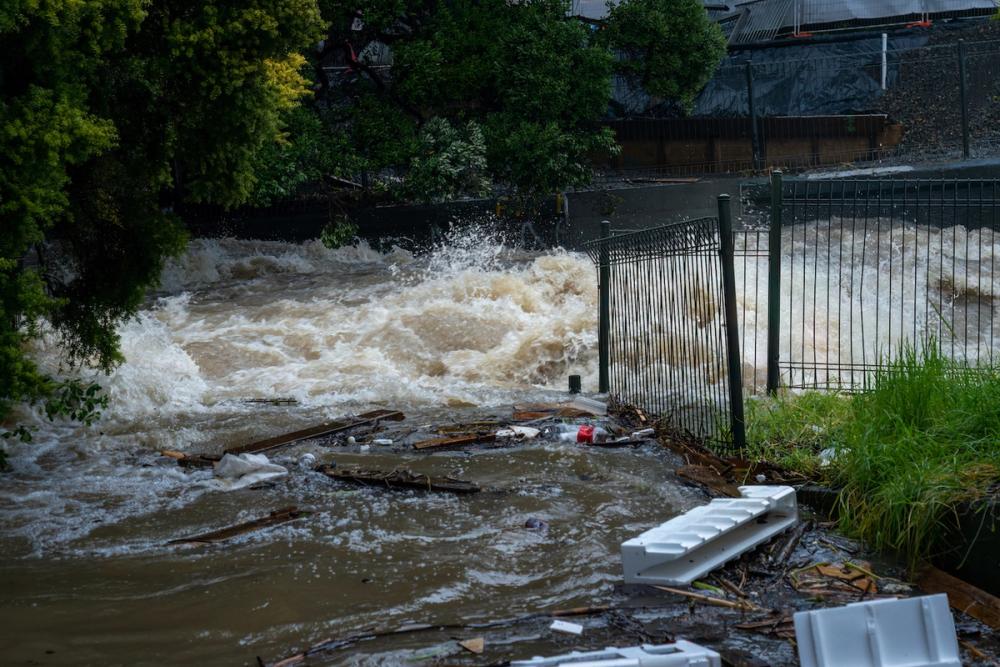
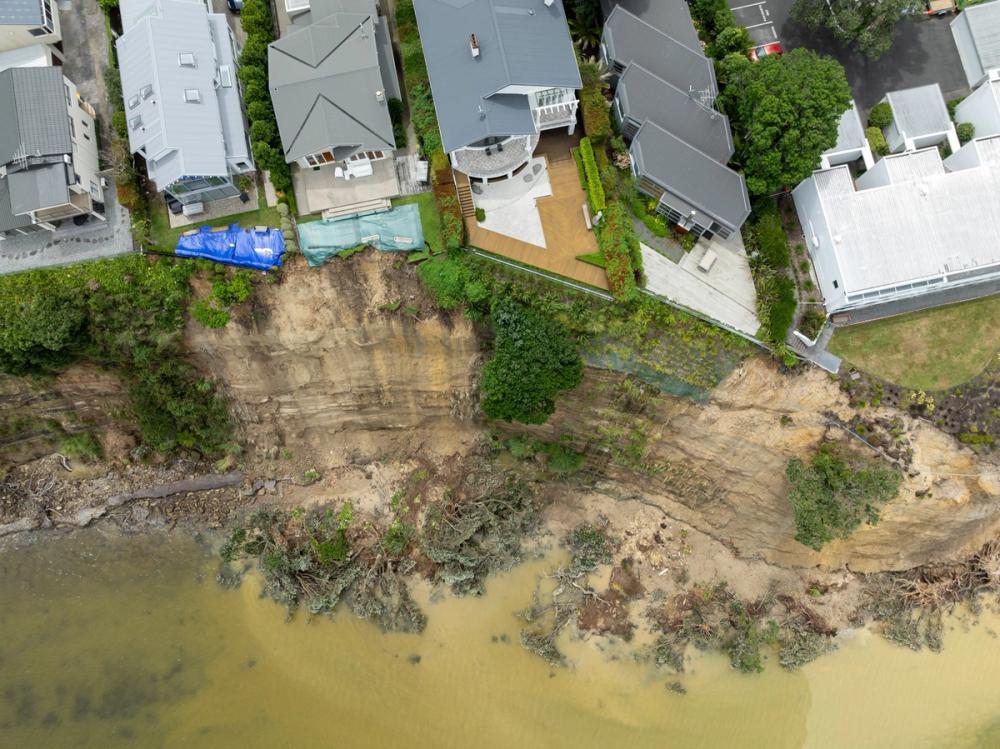
We all hope for the first path. Yet in the South Island, recent weather events in Nelson–Tasman, together with flooding in Westport in 2022 and Southland/Otago in 2023, underline the growing frequency of such events and the vulnerability of at-risk communities in the region.