New Zealand has demonstrated a strong commitment to global action on climate change by setting ambitious goals to reduce greenhouse gases by 50 percent by 2030 through the Paris Agreement, and to reach a net zero carbon economy by 2050 through the Climate Change Response Amendment Act 2019.
Achieving these goals will require significant changes to our use of renewable energy. Emissions from process heat (the energy used for warming spaces and industrial processes) and transport are two areas where we rely heavily on fossil fuels. Moving away from these will require an increased reliance on renewable energy.
While New Zealand has the fourth-highest renewable electricity percentage in the OECD, at around 84%, there is both the potential and the need to increase renewable energy through sources other than hydropower. In fact, to achieve our carbon net zero targets we need to achieve a doubling of current generation from wind, geothermal and solar energy by 2050, and we need to start now.
A shining opportunity
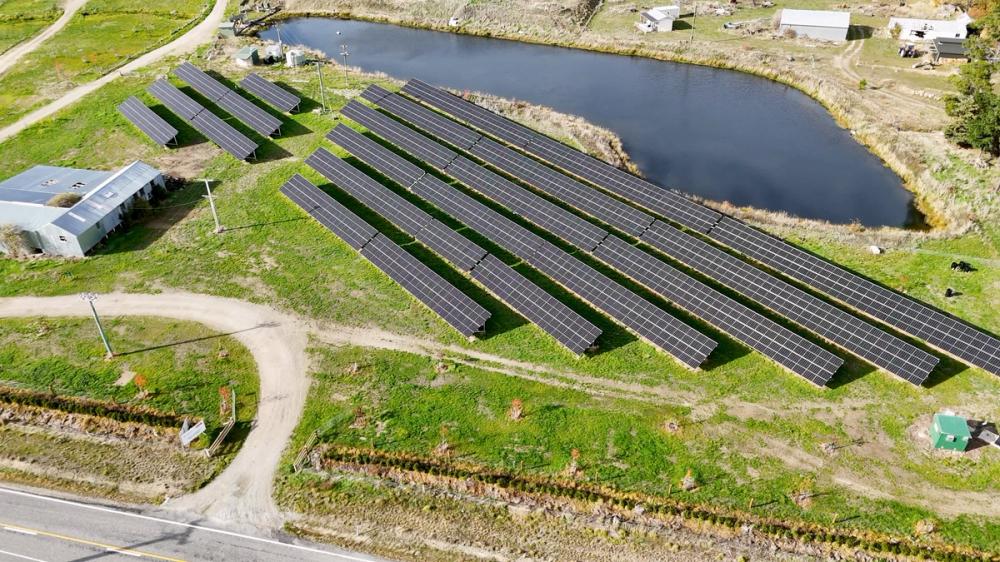
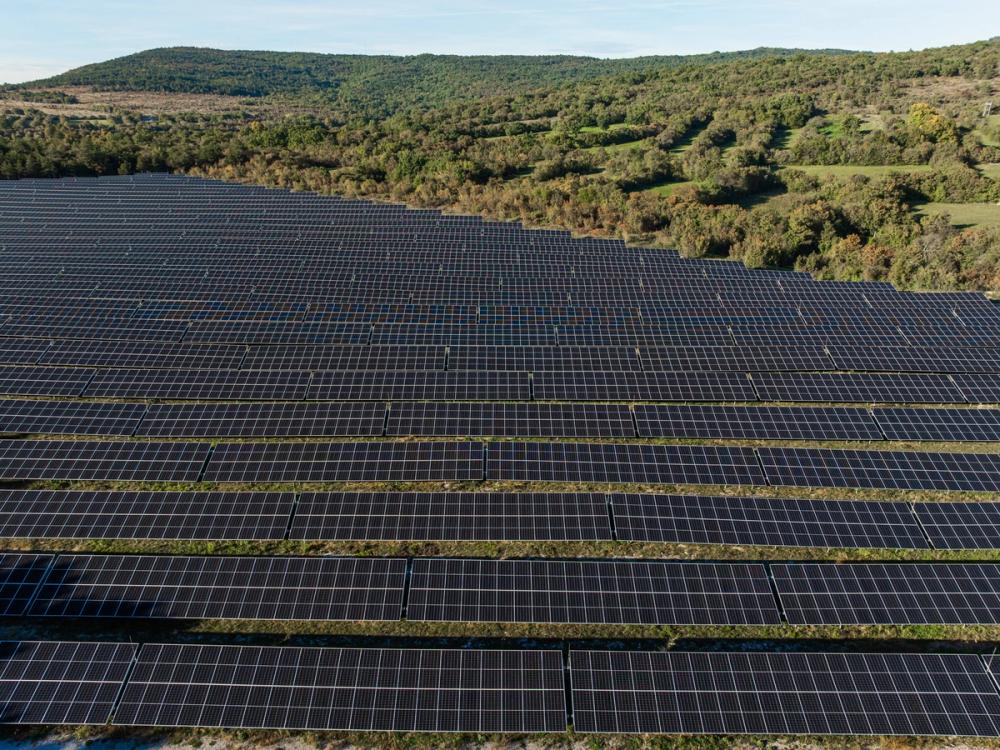
With less than 0.5% of our energy currently from solar power, there is an opportunity to develop and grow this potential, especially through utility-scale solar. Utility-scale solar installations, as opposed to the domestic and commercial entity roof top panels which produce energy for onsite use, are typically owned and operated by utility companies or independent power producers. They are designed to feed electricity into the national grid or a local distributed electricity network to supply power to a broad customer base.
Utility-scale solar is an attractive renewable energy option for several reasons, including its scalability, the relatively low cost of the technology (solar panels vs wind turbines and hydroelectric equipment) and the ability to readily export power to its consumers. The environmental and visual impacts for utility-scale solar are easier to mitigate, resource consenting is typically faster and less complicated, and there are generally fewer land requirements. In fact, solar panel arrays can be positioned high enough to allow livestock to graze below them, or planting to occur, creating a diverse "agri-voltaic" farming option. Solar farms also require less extensive civil infrastructure to build, such as access roads, crane platforms, laydown areas and the building of dams, and can therefore be completed faster than their renewable generation counterparts.
The traditional delivery approach
While Aotearoa has just a few utility-scale solar farms currently in operation, several more are shortly due for completion and many more are being planned or consented. As we embark on these projects, it's worth considering an alternative approach for their delivery. Without doubt, there are plenty of learnings to take from overseas, but our unique environment in Aotearoa will also provide opportunities for developers to do things differently.
Engineering, procurement and construction (EPC) delivery is the "go to" delivery model overseas for utility-scale solar and it also appears to be the case for our burgeoning utility-scale solar industry in Aotearoa. A traditional EPC delivery model is a form of "turnkey" contract. That is, the developer (client) pays a contractor (supplier) to design and build a project in totality, for a fixed price that meets the developer's specifications.
Developing utility-scale solar generally has all the typical considerations and phases associated with any other renewable energy projects in Aotearoa. The developer initially undertakes all the land acquisition, obligatory site selection studies, assessment of topography influences, irradiation levels, the integration of solar power systems into the electrical grid and so forth. Subsequent environmental impact assessments and stakeholder and Iwi consultations feed into the consenting process. All this information ultimately assists with securing funding and power purchase agreements (PPA).